Buying a handpan is an exciting journey, but with so many scales, note configurations, materials, and makers available today, choosing the right instrument can feel overwhelming.
Whether you are looking for your first handpan for meditation, sound healing, music production, or professional performance, this guide will help you understand exactly what to look for before making your purchase.
By the end of this article, you’ll know how to choose the perfect handpan based on your skill level, musical goals, and budget.
⸻
What Is a Handpan?
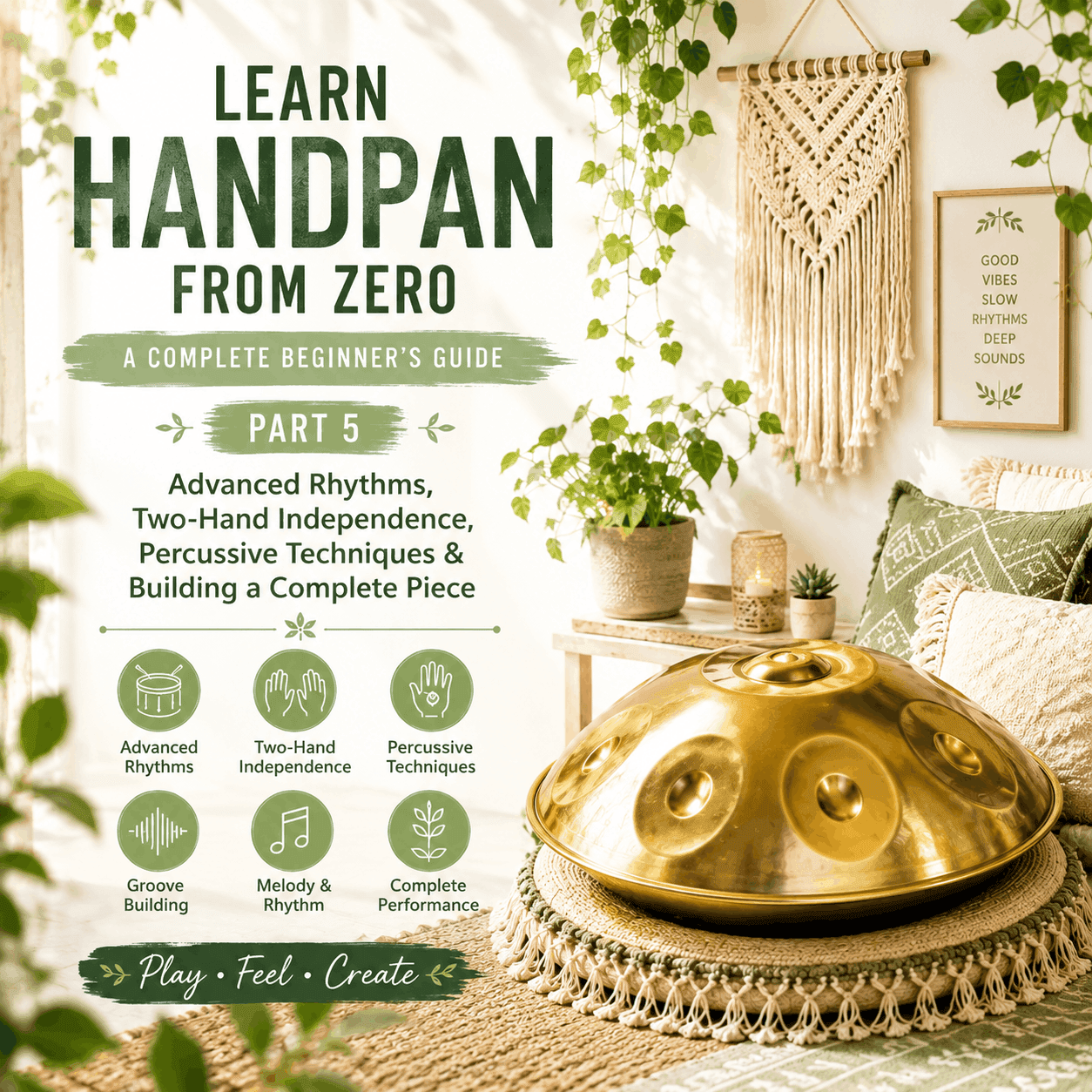
A handpan is a melodic percussion instrument made from two steel shells joined together to create a resonant chamber. Players use their hands and fingers to strike tuned note fields, producing warm, expressive, and harmonic sounds.
The instrument became popular because of its intuitive layout, calming sound, and ability to create beautiful music without requiring years of musical training.
Today, handpans are used for:
Meditation
Yoga
Sound healing
Music therapy
Live performances
Recording sessions
Personal relaxation
⸻
1. Choose the Right Handpan Scale
The scale is the most important factor when choosing a handpan.
A handpan scale determines:
The mood of the instrument
The emotional feeling of the music
The available melodies and harmonies
D Kurd (D Minor)
The most popular handpan scale in the world.
Why players love it:
Emotional and expressive
Beginner-friendly
Extremely versatile
Suitable for almost every musical style
D Kurd is often recommended as the best first handpan because it offers a perfect balance between simplicity and musical depth.
Celtic Minor
Ideal for:
Relaxing music
Meditation
Ambient compositions
This scale creates a dreamy and peaceful atmosphere.
F# Pygmy
Perfect for:
Tribal rhythms
Sound healing
Deep meditative sessions
The sound feels earthy, hypnotic, and spiritual.
Hijaz
For players seeking:
Exotic sounds
Middle Eastern melodies
Dramatic musical expression
⸻
2. How Many Notes Should Your Handpan Have?
One of the most common questions is:
“Should I buy a 9-note, 10-note, 11-note, or 12-note handpan?”
9-Note Handpan
Best for:
Beginners
Meditation
Simple improvisation
Advantages:
Easier to learn
Less overwhelming
Balanced layout
10-Note Handpan
Best for:
Intermediate players
Expanded creativity
More melodic possibilities
11-12 Note Handpan
Best for:
Advanced musicians
Professional performers
Composers
These instruments provide additional harmonic possibilities while maintaining the familiar feel of the scale.
⸻
3. Stainless Steel vs Nitrided Steel
Material dramatically affects the sound of a handpan.
Stainless Steel Handpan
Advantages:
Long sustain
Rich resonance
Better rust resistance
Ideal for meditation and sound healing
Perfect for:
Beginners
Sound therapists
Ambient musicians
Nitrided Steel Handpan
Advantages:
Shorter sustain
Stronger percussion response
More rhythmic playing
Perfect for:
Street performers
Percussionists
Fast rhythmic styles
For most modern players, stainless steel handpans have become the preferred choice due to their beautiful sustain and corrosion resistance.
⸻
4. Beginner or Professional Handpan?
Many buyers assume professional handpans are only for advanced musicians.
This is not true.
A professionally tuned handpan benefits everyone.
Signs of a quality handpan:
Accurate tuning
Stable harmonics
Balanced volume
Clean note separation
Consistent resonance
A beginner will learn faster on a high-quality instrument than on a poorly tuned one.
⸻
5. Why Tuning Quality Matters
The most important characteristic of any handpan is tuning quality.
Even the most beautiful design cannot compensate for poor tuning.
When evaluating a handpan, listen for:
Clear note definition
Long sustain
Harmonic balance
Absence of buzzing sounds
Professional tuning ensures every note works together harmoniously.
⸻
6. Consider Your Musical Goals
Ask yourself:
For Meditation
Choose:
D Kurd
Celtic Minor
Stainless Steel
For Sound Healing
Choose:
D Kurd
F# Pygmy
Stainless Steel
For Professional Performance
Choose:
10-12 Note Models
Professionally Tuned Instruments
Extended Scales
For Beginners
Choose:
D Kurd
9 or 10 Notes
Stainless Steel Construction
⸻
7. Should You Buy a Cheap Handpan?
A very cheap handpan often costs more in the long run.
Low-quality instruments frequently suffer from:
Poor tuning
Weak resonance
Tuning instability
Manufacturing defects
Investing in a properly crafted instrument provides a far better playing experience and long-term value.
⸻
Why D Kurd Is the Most Popular First Handpan
Among all available scales, D Kurd remains the most recommended option for first-time buyers.
It offers:
Emotional depth
Easy improvisation
Beautiful harmonies
Compatibility with many musical styles
This is why most beginners and even many professionals continue to use D Kurd as their primary scale.
⸻
Frequently Asked Questions
What is the best handpan for beginners?
A 9-note D Kurd stainless steel handpan is generally considered the best option for beginners.
How much should a quality handpan cost?
A professionally tuned handpan typically costs between $1,000 and $3,000 depending on the maker, material, and note configuration.
Is a 9-note handpan enough?
Yes. Many professional musicians perform with 9-note handpans.
Which material is better?
For most players, stainless steel provides the best balance of sustain, tone, and durability.
⸻
Final Thoughts
Choosing the right handpan is about finding an instrument that inspires you every time you play.
For most beginners, a professionally tuned stainless steel D Kurd handpan with 9 or 10 notes is the ideal starting point. It offers beautiful sound, easy playability, and endless creative possibilities.
At Harmony Handpan, every instrument is handcrafted, professionally tuned, and designed to provide exceptional sound quality for musicians around the world.

-2_204.png&w=1920&q=75)
